Billy wallson
Senior DirectorTurn a handful of wild herbs into beautiful, useful vinegars that keep for a year or more.
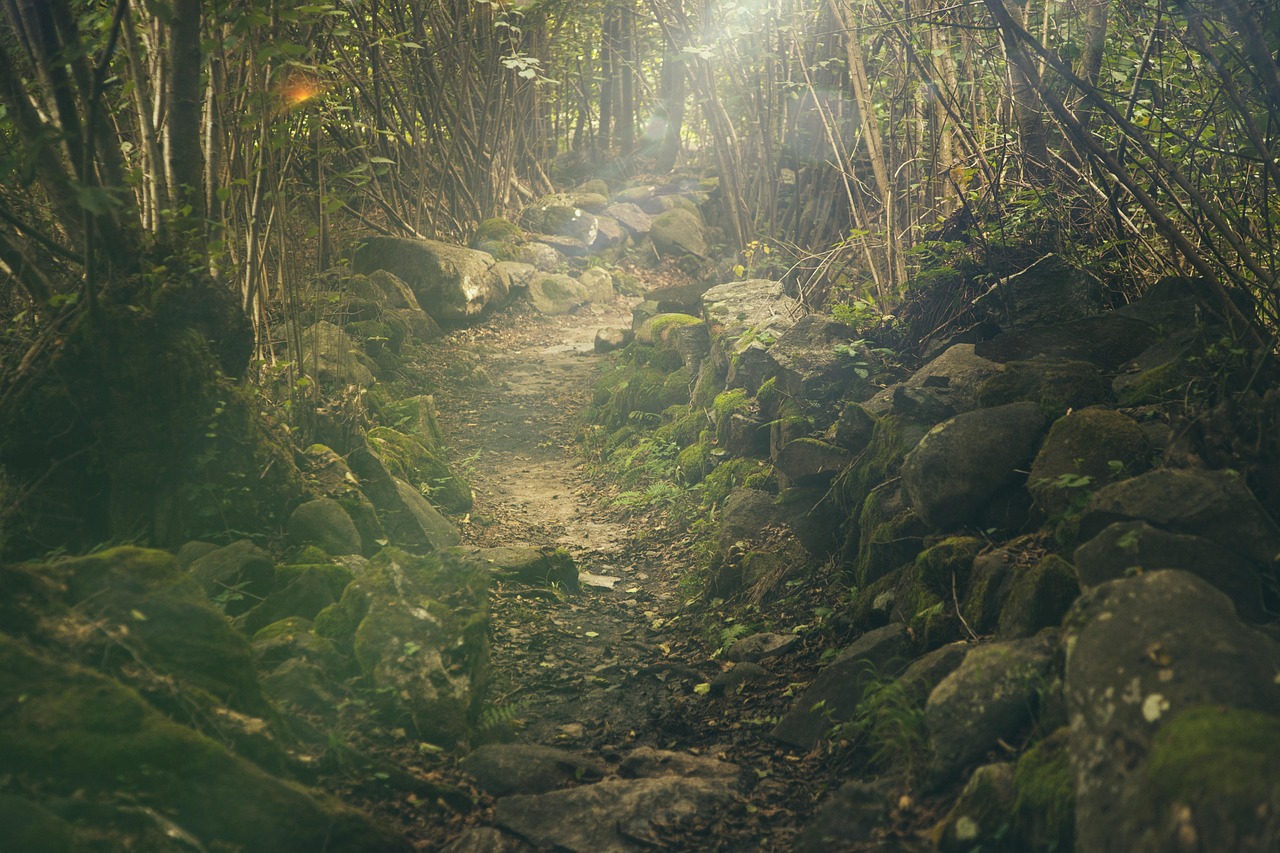
Foraging has a way of making you feel like the first person to ever notice a particular patch of woods. That feeling is part of the appeal — and it is also a responsibility. Every wild plant you take belongs to a system much larger than your basket, and the choices you make while foraging determine whether that system stays healthy for the next person, the next season, and the next generation of foragers.
None of this requires guilt or perfection. It requires attention, a bit of humility, and a few simple habits that experienced foragers follow as a matter of course.
Know before you pick. This is the first rule and the one that underlies all the others. Never harvest a plant you cannot identify with certainty, and never harvest a plant you do not know how to prepare safely. Some wild plants are deadly, and several have close lookalikes that are not. A good field guide, a local foraging group, and a willingness to leave things behind are your best safeguards.
Take only what you need. A basket of wild greens is a lovely thing; a bin bag of them is not. For most plants, a good rule is to take no more than ten percent of any given patch in a season. For slow-growing plants, rare plants, and anything you are unsure about, take less or take nothing.
Leave the roots. Digging up a plant kills it. Picking leaves, flowers, or fruit usually does not, and many plants regrow more vigorously after a light harvest. Unless you are managing your own land or have explicit permission, leave roots where they are.
Mind the land. Foraging on private land without permission is theft, plain and simple. On public land, rules vary enormously — some parks and reserves prohibit foraging entirely, others allow it within limits. Check before you go, and respect the answer even when it is not the one you wanted. Nature reserves, sites of special scientific interest, and restored habitats are almost always off-limits.
Stay away from the edges. Roadsides, railway embankments, sprayed lawns, and industrial land are not good places to forage. Heavy metals, herbicides, and exhaust residue accumulate in plants, and no amount of washing removes them entirely.
There is a useful shift in perspective that happens when you start thinking of yourself as a guest in the landscape rather than its owner. Guests do not rearrange the furniture. They do not take the best of everything. They leave things as they found them, or better.
In practice, this means a few small habits. Carry a small pair of scissors rather than pulling at plants, so you damage less. Spread your harvest across several patches rather than stripping one. Pick from the middle of a patch rather than the edges, so the plants at the margins can seed and spread. Walk lightly, take your litter home, and leave gates as you find them.
It also means being generous with what you learn. Share your knowledge with other foragers, especially beginners. Point people toward good field guides. If you find a particularly rich patch, enjoy it quietly and let it be — some places are better left unshared, and that is not selfishness, it is stewardship.
Foraging well is less about skill than about care. The plants will do the rest.

A practical guide to foraging without harming the plants, the places, or the people who share them.

How to gather, process, and cook the wild nuts that make autumn the most generous foraging season.
Learn how to harvest, handle, and cook stinging nettles, the nutritious wild green that's been feeding people for centuries.

Turn the most hated weed in the neighbourhood into coffee, fritters, and a golden floral syrup.

Turn a handful of wild herbs into beautiful, useful vinegars that keep for a year or more.

Learn how to harvest, handle, and cook stinging nettles, the nutritious wild green that's been feeding people for centuries.

Copyright © 2026 Wild Marigold. All Rights Reserved.


Roseanne Williams
Sep 6, 2026 ReplyA practical guide to foraging without harming the plants, the places, or the people who share them.