Billy wallson
Senior DirectorTwo of the most common hedgerow berries make syrups, ketchups, and teas that carry you through winter.
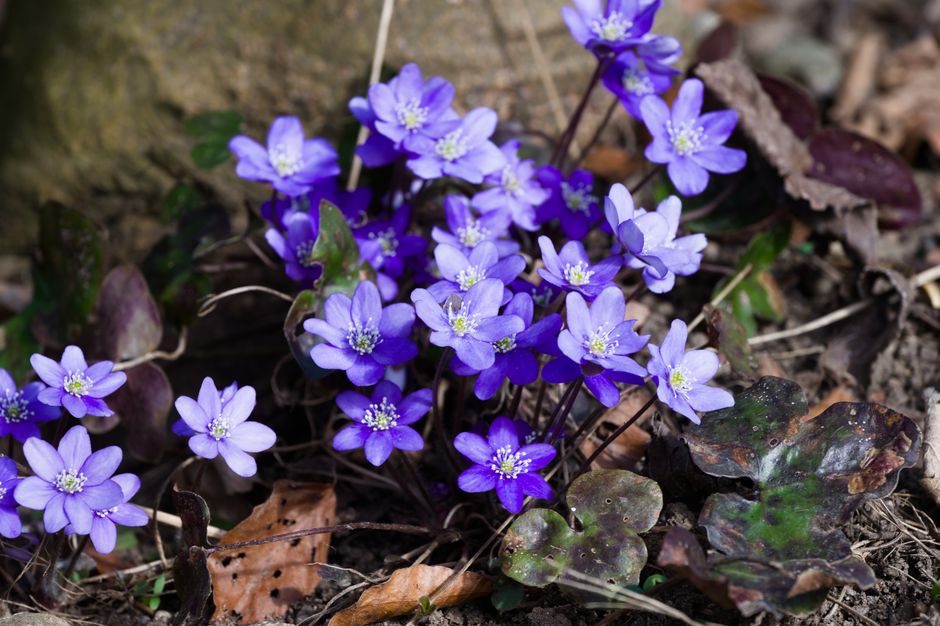
There is a particular kind of quiet that settles over a spring woodland just after rain. The air smells of wet leaves and soil, and if you look down instead of up, the forest floor is busy. Spring is when the wild edible world wakes up, and it is also the friendliest season for someone who has never foraged before. The plants are young, tender, and — with a good guide — surprisingly easy to tell apart.
Before you head out, a few words that matter more than any recipe. Never eat a plant you cannot identify with complete certainty. Use at least two field guides, ideally one regional, and cross-check with a local foraging group. Avoid roadsides, sprayed lawns, and industrial edges. And always, always leave plenty behind so the patch returns next year.
Dandelion (Taraxacum officinale) is the gateway plant. Its toothed leaves, hollow stem, and single yellow flower are unmistakable. Young leaves in early spring are the least bitter; they make a fine salad with a warm bacon dressing or a simple lemon vinaigrette. The unopened buds can be pickled like capers, and the flowers make a lovely syrup or fritter.
Chickweed (Stellaria media) is a cool-weather friend that appears in gardens and hedgerows before almost anything else. Look for its tiny white star flowers and the single line of hairs running up the stem — a detail that separates it from lookalikes. It tastes mild, a bit like corn silk, and is wonderful raw in sandwiches or folded into an omelette.
Wild garlic, also called ramps or ramsons depending on where you are, announces itself with a garlicky scent before you even see it. The broad, soft leaves carpet shaded woodland in spring. Pick one leaf per plant from large patches, and never dig the bulbs unless you own the land. The leaves make a vivid green pesto that freezes beautifully.
Nettles deserve their reputation for stinging, but they are one of the most rewarding spring greens. Wear gloves and pick only the top four leaves of young plants before they flower. Cooking — even just blanching — destroys the sting entirely. Nettle soup is the classic, but nettle spanakopita and nettle pesto are just as good.
Violet leaves and flowers round out the beginner's list. The heart-shaped leaves and unmistakable flowers are easy to learn, and the blossoms candied in egg white and sugar make a delicate decoration for cakes and spring salads.
Pick one plant per week. Learn it in every season, in every stage of growth. Take photos, sketch it, note where it grows and what grows beside it. Foraging is less about collecting and more about learning a landscape slowly, the way you learn a friend's face. By the end of your first spring, you will walk familiar paths differently — and the woods will feel a little more like home.

How to gather, process, and cook the wild nuts that make autumn the most generous foraging season.

Follow the smell of garlic through the woods in spring and you'll find one of the best wild greens of the year.
Turn a handful of wild herbs into beautiful, useful vinegars that keep for a year or more.

A practical guide to foraging without harming the plants, the places, or the people who share them.

Two of the most common hedgerow berries make syrups, ketchups, and teas that carry you through winter.

Three classic ways to capture the fleeting perfume of elderflowers before the season slips away.

Copyright © 2026 Wild Marigold. All Rights Reserved.


Roseanne Williams
Sep 15, 2026 ReplyA gentle introduction to the five easiest and safest wild edibles to identify on your first spring walks.