Billy wallson
Senior DirectorTurn the most hated weed in the neighbourhood into coffee, fritters, and a golden floral syrup.
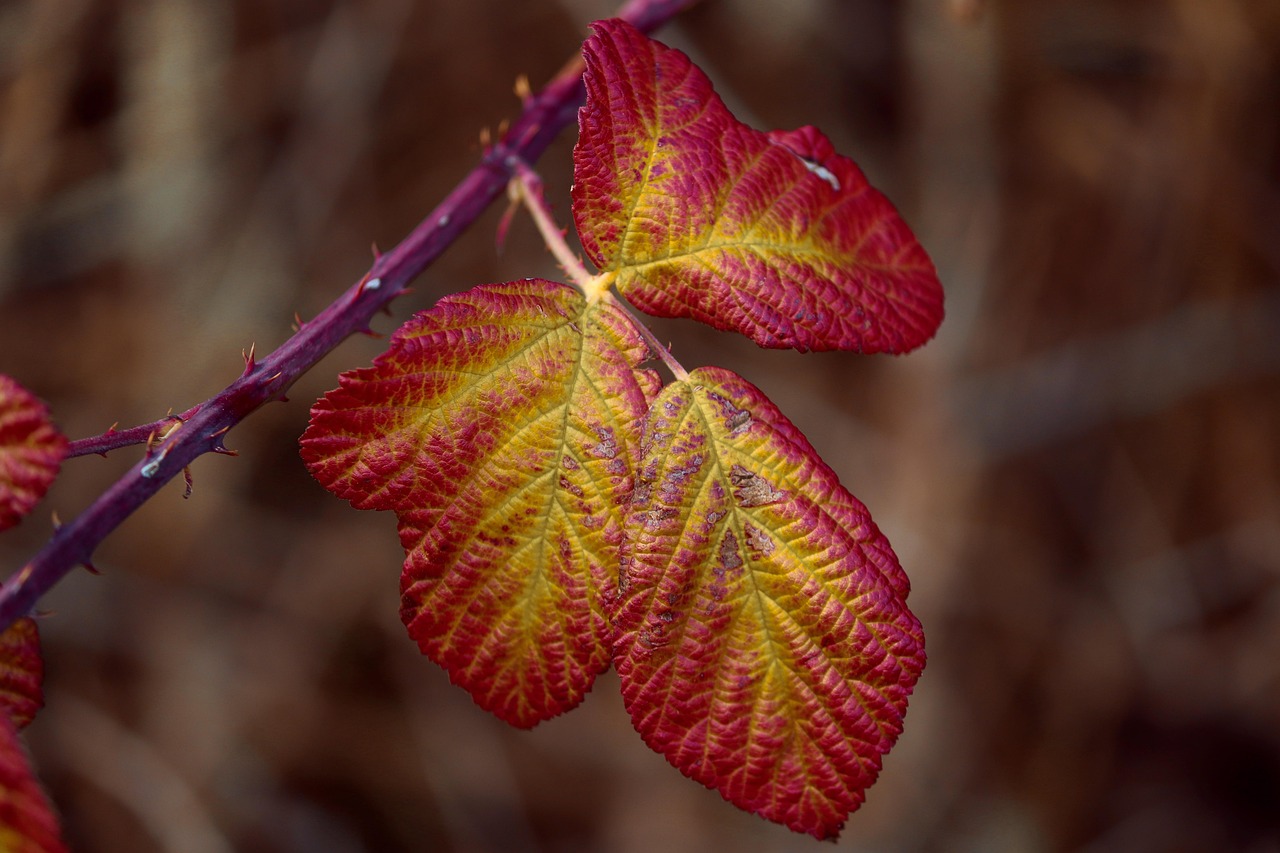
Late summer is blackberry season, and for a few weeks every year the hedgerows turn into a free pick-your-own. If you grew up in the countryside, the smell of sun-warmed brambles probably brings back a specific memory: scratched forearms, purple fingers, and a bucket that never quite fills because half the fruit goes straight into your mouth.
Blackberries, Rubus fruticosus and its many close relatives, grow on thorny scrambling shrubs called brambles. They're everywhere: hedgerows, woodland edges, railway embankments, waste ground, and the back of the garden. The fruit starts green, turns red, then deepens to black. Only pick the fully black ones. A red blackberry is sour and unpleasant, and it won't ripen once picked.
Timing matters. In most temperate regions, the season runs from late July through September, peaking in August. Early in the season, look for fruit on south-facing hedges where the sun hits first. Late in the season, head for shaded spots where ripening is slower. A warm, dry spell after rain produces the sweetest berries.
Wear long sleeves and trousers, even in hot weather. Bramble thorns are unforgiving and they hook into fabric and skin alike. Old jeans and a thick shirt are ideal. Bring a container with a lid, because blackberries crush easily and a bag on your hip will turn them to mush by the time you get home.
Pick only from waist height and above. Below that, you're competing with foxes and dogs, and the fruit is often soiled. Avoid berries growing right beside busy roads, where they collect dust and exhaust. And check for wildlife before you strip a bush bare: blackberries are a critical late-summer food source for birds, dormice, and insects, so leave plenty behind.
The old folk warning about picking blackberries after Michaelmas, the end of September, has a practical root. By then the fruit is often mouldy, flyblown, or tasteless, and the first frosts are close. It's a good rule of thumb even if you don't hold to the folklore.
Blackberry and apple is the classic pairing. Brambles are low in pectin, so they set better with a few chopped cooking apples added. For a simple jam, weigh your fruit, add roughly three-quarters of that weight in sugar, and simmer with a squeeze of lemon until it reaches setting point. A thermometer helps, but the saucer test works fine: drop a little jam on a cold plate, let it cool, and push it with your finger. If it wrinkles, it's ready.
Beyond jam, blackberries make excellent crumbles, cordials, and liqueurs. Steep them in gin or vodka with sugar for a few weeks and you have a deep purple winter drink. Freeze them on trays before bagging so they don't clump, and you'll have berries for smoothies and pies into the new year.
If you're feeling ambitious, the young leaves of the bramble can be dried for tea, a traditional remedy for sore throats and upset stomachs. They're tannic and astringent, so use them sparingly.
Blackberry picking is slow, thorny work, and that's part of the point. It forces you to pay attention, to move carefully, to notice which bush is sweetest. The jam you make in September tastes like the afternoon you spent gathering it.

Turn the most hated weed in the neighbourhood into coffee, fritters, and a golden floral syrup.

Learn how to harvest, handle, and cook stinging nettles, the nutritious wild green that's been feeding people for centuries.
Bramble season is short and thorny, but the reward is the best free fruit of the year.

Follow the smell of garlic through the woods in spring and you'll find one of the best wild greens of the year.

Turn the most hated weed in the neighbourhood into coffee, fritters, and a golden floral syrup.

Follow the smell of garlic through the woods in spring and you'll find one of the best wild greens of the year.

Copyright © 2026 Wild Marigold. All Rights Reserved.


Roseanne Williams
Sep 23, 2026 ReplyBramble season is short and thorny, but the reward is the best free fruit of the year.