Billy wallson
Senior DirectorFollow the smell of garlic through the woods in spring and you'll find one of the best wild greens of the year.
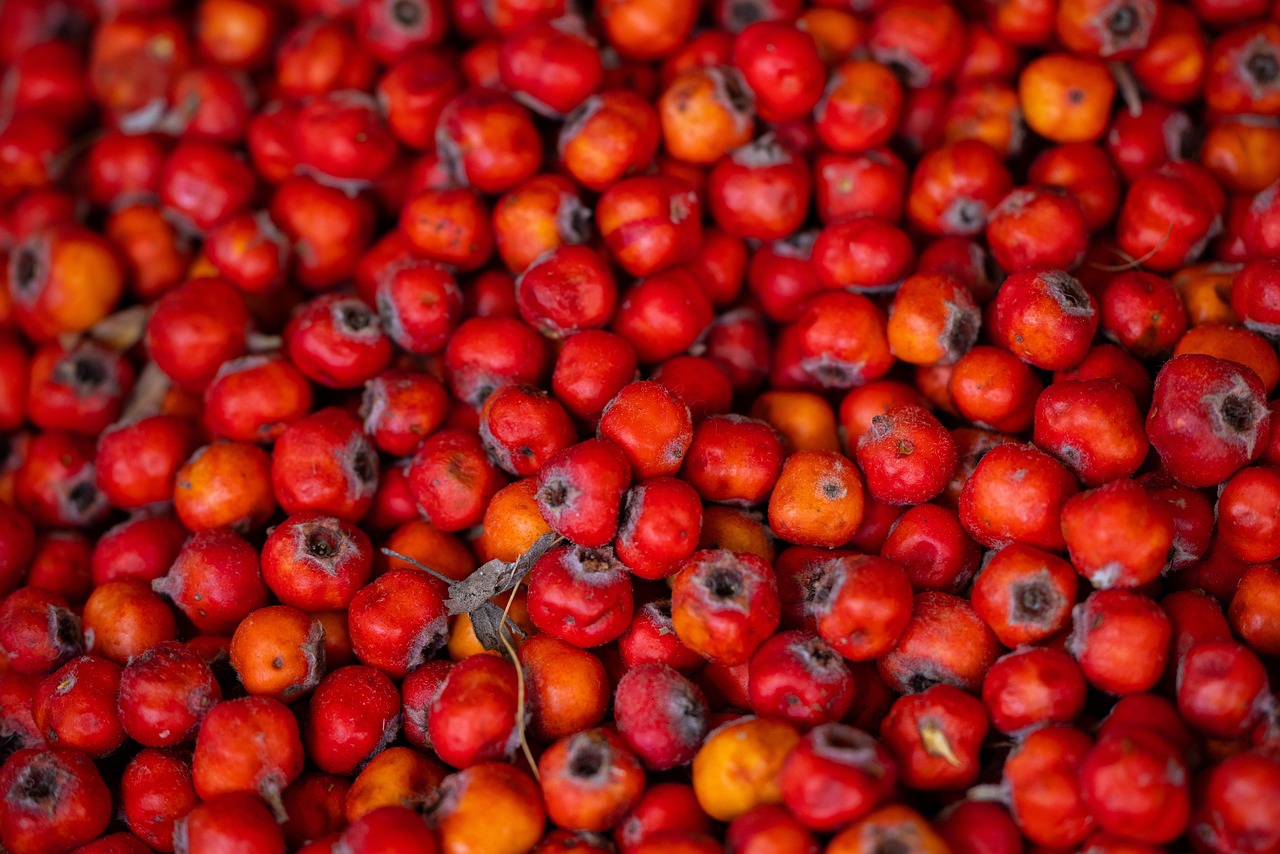
By October, most foragers are thinking about mushrooms and nuts. But two of the most useful autumn harvests are still hanging in plain sight along every hedgerow: rosehips and haws. Both are common, both are tart and full of pectin, and both make things you'll actually use through the winter rather than admire once and forget.
Rosehips are the fruit of wild roses, the same shrubs that gave you pink flowers in June. They're bright red or orange, oval, and often slightly soft when ripe. Dog rose and field rose are the usual species in Europe, and sweetbriar in some places. They're loaded with vitamin C, which is why rosehip syrup was a wartime staple when citrus was scarce.
Hawthorn, Crataegus monogyna, produces small dark red berries called haws in dense clusters. The shrub is everywhere: field boundaries, parks, roadsides, and scrubland. It's easy to identify by its deeply lobed leaves and long thorns, though by autumn the leaves may have dropped. Don't confuse haws with the berries of woody nightshade, which are also red but grow in looser clusters on a scrambling vine with purple flowers and no thorns.
The tricky part of rosehips is the seeds. Each hip is full of tiny hairs that itch and irritate if you eat them. This is why you rarely eat rosehips raw. The traditional method avoids the problem entirely by not breaking the hips open until after the flavour is extracted.
Roughly chop a kilo of washed hips, cover with water, and simmer gently for fifteen minutes. Let it sit overnight, then strain through muslin. Repeat the process with the pulp and a fresh batch of water, then combine both infusions. Reduce the liquid by half, add sugar to taste, and bottle hot. The result is a deep amber syrup, tart and floral, that keeps for months in the fridge.
Drizzle it over yoghurt, stir into hot water for a winter drink, or use it to sweeten cocktails. It's also excellent in a glaze for roast game or duck, where its sharpness cuts through the fat.
If you want to use whole rosehips in tea, dry them first and then rub off the hairy seeds before brewing. Dried hips keep for a year in a jar and make a pleasant, slightly tart infusion.
Haws are fiddly to eat raw, mostly stone and skin, but they make a fantastic ketchup. Simmer a kilo of haws with a chopped onion, a splash of vinegar, and enough water to cover. Cook until the berries collapse, then push everything through a sieve to remove the stones and skins. Return the pulp to the pan with sugar, a little cinnamon, a pinch of cloves, and salt. Simmer until thick, then bottle.
The result is a dark, fruity, tangy sauce that works like a grown-up ketchup on sausages, chips, or cheese. It's also good with venison and other strong meats.
Haws can also be made into fruit leather, added to apple jelly for extra tartness, or infused into brandy with a little sugar for a warming winter liqueur. The young leaves of hawthorn, picked in spring before the flowers open, make a pleasant tea, and the flowers themselves can be infused for a delicate, slightly almond-scented cordial.
Both rosehips and haws are generous, common, and forgiving. They don't demand a special trip or a secret location. A walk down any country lane in October will fill a bag in an hour, and the syrups and ketchups you make from them will keep the taste of autumn on your shelf until spring.

A gentle introduction to the five easiest and safest wild edibles to identify on your first spring walks.

Bramble season is short and thorny, but the reward is the best free fruit of the year.
Three classic ways to capture the fleeting perfume of elderflowers before the season slips away.

How to gather, process, and cook the wild nuts that make autumn the most generous foraging season.

Follow the smell of garlic through the woods in spring and you'll find one of the best wild greens of the year.

A gentle introduction to the five easiest and safest wild edibles to identify on your first spring walks.

Copyright © 2026 Wild Marigold. All Rights Reserved.


Roseanne Williams
Sep 16, 2026 ReplyTwo of the most common hedgerow berries make syrups, ketchups, and teas that carry you through winter.