Billy wallson
Senior DirectorBramble season is short and thorny, but the reward is the best free fruit of the year.
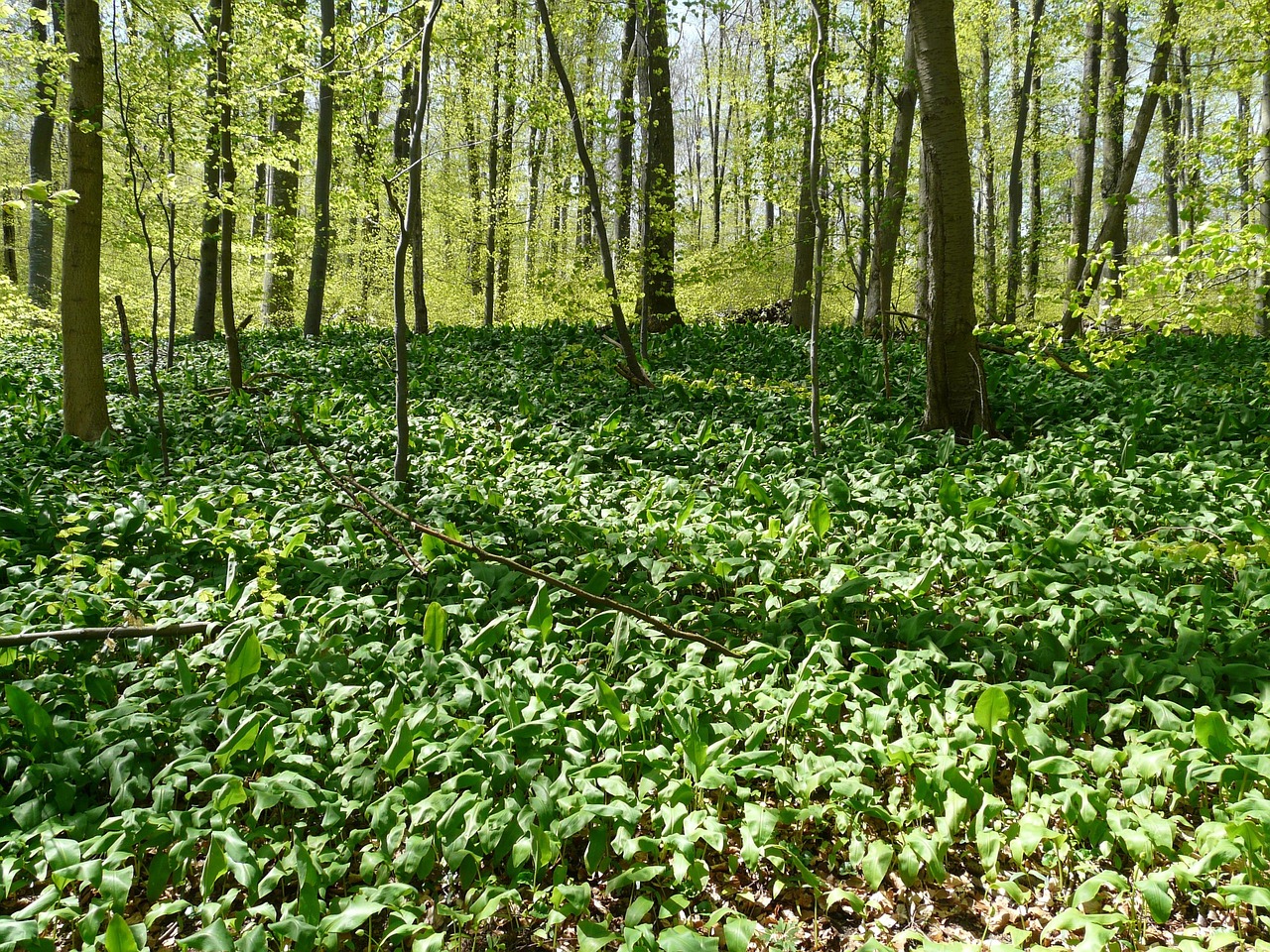
You don't find wild garlic. You smell it first. Walk into a British or European woodland in April and the air itself turns savoury, a green garlicky perfume that hits you from twenty metres away. Follow it and you'll usually find a carpet of broad, soft leaves under beech or oak, often beside a stream.
Allium ursinum goes by many names: ramsons, buckrams, bear's garlic, and wild garlic. The Latin ursinum means "of the bear," a nod to the old belief that bears ate it after hibernation to regain their strength. Whatever the truth of that, it's one of the most generous wild edibles in the temperate world. A single patch can feed you for weeks.
Timing is everything. The leaves emerge in early spring and are at their best before the plant flowers. Once the white star-shaped flowers open in late April or May, the leaves start to toughen and lose some of their punch. The flowers themselves are edible and delicious, with a milder garlic flavour, and they make a beautiful garnish. By June the whole patch has usually died back, leaving nothing but seeds and a memory.
Wild garlic has soft, lance-shaped leaves that grow from the base of the plant, not along a stem. Crush one between your fingers and you'll get an unmistakable garlic smell. That smell is your best safety check. If it doesn't smell of garlic, don't eat it.
The dangerous lookalike is lily of the valley, which grows in similar woodland and has leaves of a similar shape and colour. Lily of the valley is seriously toxic. It doesn't smell of garlic. It also has two or three leaves per stem rather than a full clump, and its flowers are bell-shaped and hang downward, while wild garlic flowers are star-shaped and grow upward in loose clusters.
Another lookalike is the young leaf of lords-and-ladies, also called cuckoo pint, which is irritating and unpleasant. Again, no garlic smell. The rule is simple: if you're not certain, don't pick it, and never pick from a patch that also contains toxic plants, because mistakes happen when leaves get mixed in a basket.
Wild garlic pesto is the dish that converts people. Blanch a big handful of leaves for ten seconds, drain, and blitz with toasted pine nuts or sunflower seeds, parmesan, olive oil, salt, and a squeeze of lemon. It's brighter and greener than basil pesto, with a gentler garlic hit. It keeps in the fridge for a week and freezes beautifully.
Wild garlic butter is even simpler. Chop the leaves finely, mash into soft butter with a little salt and lemon zest, roll in parchment, and chill. Melt it over new potatoes, fish, or steak and you have spring on a plate.
The leaves also work in soup, folded into omelettes, chopped into dumplings, or stirred raw into salads when young and tender. The flowers can be scattered over pasta or pickled in vinegar for a pretty, garlicky condiment. The seed pods, which appear after flowering, can be pickled like capers or blitzed into a punchy dressing.
One caution: wild garlic loses its flavour fast once picked. Use it within a day or two, and keep it in the fridge wrapped in a damp cloth. If you can't use it all, blanch and freeze it in portions, or make pesto straight away.
Wild garlic is a forager's plant. It announces itself, grows in abundance, and gives generously. Find your patch in April and it will feed you every spring for years, as long as you pick a few leaves from many plants rather than stripping any one clump.

Bramble season is short and thorny, but the reward is the best free fruit of the year.

Turn the most hated weed in the neighbourhood into coffee, fritters, and a golden floral syrup.
Follow the smell of garlic through the woods in spring and you'll find one of the best wild greens of the year.

Two of the most common hedgerow berries make syrups, ketchups, and teas that carry you through winter.

Bramble season is short and thorny, but the reward is the best free fruit of the year.

Two of the most common hedgerow berries make syrups, ketchups, and teas that carry you through winter.

Copyright © 2026 Wild Marigold. All Rights Reserved.


Roseanne Williams
Sep 25, 2026 ReplyFollow the smell of garlic through the woods in spring and you'll find one of the best wild greens of the year.